
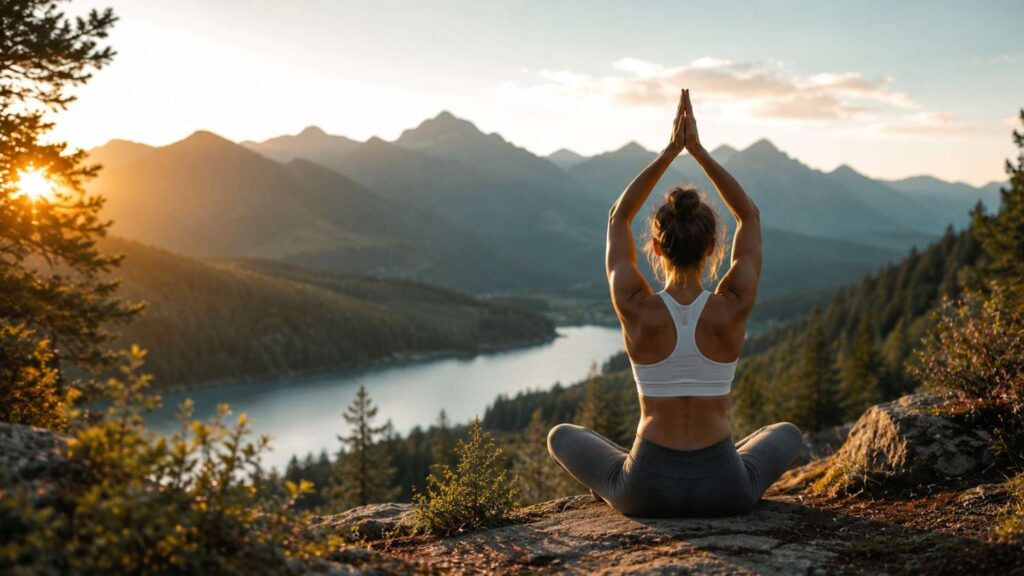
The Role of Nature in Fitness and Wellness
The Role of Nature in Fitness and Wellness is becoming more important as people look for healthier, more balanced ways to stay active. Many people spend long hours indoors, sitting at desks, looking at screens, and managing busy routines. Because of this, fitness is no longer only about gym workouts, weight loss, or performance. It is also about energy, mood, stress control, recovery, sleep, and a stronger connection with daily life.
Nature gives fitness a more human and enjoyable rhythm. A walk through a park, a short hike, an outdoor yoga session, or a simple bodyweight workout on grass can make movement feel less stressful and more refreshing. In my experience, people are more likely to stay consistent when their fitness routine feels natural, flexible, and emotionally rewarding. This is where nature plays a valuable role.
Nature-based fitness does not mean replacing every gym session or structured workout. Instead, it means using outdoor spaces as part of a complete wellness routine. A person can still lift weights indoors, attend fitness classes, or use machines, while also adding outdoor movement for mental clarity, fresh air, and variety. This balanced approach supports both physical health and emotional wellbeing.
At its core, nature and wellness work together because the body is designed to move, breathe, adapt, and recover. Natural spaces encourage these things in a simple way. Whether someone is a beginner trying to become more active or an experienced athlete looking for better recovery, outdoor movement can support a stronger and healthier lifestyle.
Why Nature Matters for Modern Fitness
Nature matters for modern fitness because many people now face lifestyles that limit natural movement. Work, travel, entertainment, and communication often happen indoors or through screens. This can reduce daily activity, increase stress, and make exercise feel like another task on a long to-do list. Nature helps change that relationship by making movement feel more enjoyable, open, and restorative.
Outdoor environments offer variety that indoor spaces cannot always provide. A park path, forest trail, beach walk, garden space, or open field can turn simple movement into a richer experience. The body responds to changing surfaces, fresh air, natural light, and open surroundings. The mind also benefits because outdoor spaces can feel less restrictive than enclosed fitness settings.
The Role of Nature in Fitness and Wellness is also linked to consistency. Many people start fitness routines with motivation but stop when workouts become boring, too difficult, or disconnected from daily life. Nature adds interest and flexibility. A person can walk one day, stretch outside another day, hike at the weekend, or do a short park workout after work. This makes fitness more adaptable.
Modern wellness is not only about intensity. It is about creating habits that people can maintain for years. Nature supports that by offering a simple, low-cost, and accessible way to move more often. When used wisely, it can improve both fitness habits and overall quality of life.
Nature Makes Movement Feel Easier to Start
One of the biggest challenges in fitness is not knowing where to begin. Many beginners feel uncomfortable in gyms, unsure about equipment, or worried that they are not fit enough to join a class. Nature can reduce this pressure because outdoor movement feels more informal and personal. A person does not need advanced skills to start walking in nature, stretching in a quiet park, or doing gentle mobility exercises outside.
This matters because the first step is often the most important part of a fitness journey. A short outdoor walk can help someone build confidence without feeling judged or overwhelmed. Over time, that walk can become longer, faster, or more structured. It can also lead to other activities, such as hiking, cycling, outdoor yoga, or park workouts.
Nature also gives beginners more control over pace and intensity. They can choose a flat route, take breaks, slow down, or stop when needed. This flexibility helps reduce fear of failure. Instead of seeing fitness as something strict or intimidating, outdoor movement makes it feel approachable.
For people returning to exercise after a long break, nature can be especially helpful. It allows them to rebuild stamina gradually while also enjoying fresh air and a calmer environment. This simple start can create the foundation for long-term wellness.
Green Exercise Supports Long-Term Consistency
Green exercise means physical activity done in natural or green environments. This can include walking in a park, running on a trail, cycling through a quiet area, gardening, hiking, outdoor yoga, or bodyweight training on grass. The value of green exercise comes from combining movement with nature exposure. Instead of only training the body, it also supports the mind and emotions.
Long-term consistency is one of the strongest benefits of green exercise. Many people stop exercising because routines become repetitive. Outdoor fitness can reduce this problem because the environment changes naturally. Weather, seasons, scenery, light, sounds, and routes all add variety. A simple walk in spring feels different from a walk in autumn. A morning park session feels different from an evening stretch outdoors.
This variety helps keep the brain engaged. When exercise feels interesting, people are more likely to repeat it. Outdoor movement can also become part of social life. Friends can meet for walks, families can hike together, and communities can join outdoor fitness groups. These social elements make fitness feel less lonely.
Green exercise also supports a more balanced view of progress. Instead of focusing only on speed, weight, or appearance, people begin to notice energy, mood, sleep, strength, and confidence. That broader view makes wellness more sustainable.
Physical Benefits of Exercising in Nature
The physical benefits of exercising in nature are wide-ranging because outdoor spaces allow different types of movement. Nature can support cardiovascular fitness, muscular endurance, balance, coordination, mobility, and general daily activity. It also gives people more opportunities to move outside formal workout times. A walk during lunch, a weekend hike, or a short outdoor stretch can all contribute to better health.
The Role of Nature in Fitness and Wellness is not limited to intense workouts. Gentle and moderate activities can also be valuable when done consistently. Outdoor walking, cycling, gardening, yoga, and recreational sports all help increase movement. For beginners, this is important because a fitness routine does not need to start with hard training. It can begin with simple, repeatable activity.
Natural environments also challenge the body in different ways. Uneven ground, hills, steps, grass, sand, and trails require small adjustments from muscles and joints. These adjustments can support better balance and coordination. However, safety matters. People should choose surfaces that match their current ability and avoid risky terrain if they are new to exercise or recovering from injury.
Outdoor exercise can also improve motivation. Many people find it easier to complete a workout when they are surrounded by open space, natural light, and fresh scenery. This can lead to more regular activity, which is the real key to physical improvement.
| Benefit Area | How Nature Supports It | Example Activities |
|---|---|---|
| Cardiovascular Health | Encourages regular walking, cycling, and hiking that improve heart and lung fitness | Walking, trail hiking, cycling |
| Strength & Balance | Uneven terrain and natural obstacles challenge muscles and coordination | Hill walks, park workouts, step-ups |
| Stress Reduction | Green spaces help lower stress and create a calming environment | Nature walks, outdoor yoga |
| Mood Support | Fresh air, sunlight, and natural surroundings can improve emotional wellbeing | Walking in parks, forest trails |
| Better Sleep | Regular outdoor activity and daylight exposure may support healthier sleep patterns | Morning walks, outdoor exercise |
| Mindfulness | Natural environments encourage present-moment awareness during movement | Outdoor stretching, yoga, forest bathing |
Better Cardiovascular Activity Through Natural Movement
Cardiovascular fitness improves when the heart, lungs, and blood vessels work regularly through movement. Nature offers many simple ways to support this. Walking in nature, jogging, cycling, hiking, swimming in safe areas, and outdoor sports can all raise the heart rate and improve endurance over time. These activities can be adjusted for beginners, intermediate exercisers, and advanced athletes.
One reason outdoor cardio works well is that it often feels less repetitive than indoor exercise. A treadmill or stationary bike can be useful, but some people lose interest quickly. Outside, the route changes. There may be trees, paths, slopes, open spaces, or water views. This variety can make a 30-minute walk or run feel more enjoyable.
Natural movement also encourages pacing. For example, a person walking uphill works harder, while a flat section allows recovery. This creates a natural interval effect without needing complex programming. Hiking for fitness works in a similar way because trails often include changes in elevation, surface, and effort.
For beginners, the best approach is to start at a comfortable pace. Brisk walking is often enough to improve fitness when done regularly. Over time, distance, speed, or route difficulty can be increased. This gradual approach helps protect joints, reduce injury risk, and build confidence.
Strength, Balance, and Mobility in Real Settings
Nature can also support strength, balance, and mobility. Many people think outdoor fitness only means walking or running, but parks and open spaces can be used for full-body training. A bench can support step-ups, incline push-ups, triceps dips, and seated mobility work. Grass can be used for squats, lunges, planks, stretching, and core exercises. Steps and gentle slopes can help build lower-body strength.
Training outdoors also improves functional movement. Functional movement means using the body in ways that support real-life tasks, such as climbing stairs, bending, carrying, balancing, and walking on different surfaces. Nature naturally includes these movement challenges. A trail may require small balance corrections. A grassy field may feel different from a hard floor. A hill may strengthen the legs more than flat ground.
Mobility is another important part of nature-based fitness. Outdoor stretching, yoga, and dynamic warm-ups can help improve joint range of motion and reduce stiffness. This is especially useful for people who sit for long periods during the day.
For older adults, beginners, or people with limited fitness experience, outdoor strength work should stay simple. Squats, wall push-ups, step-ups, heel raises, and gentle balance drills are often enough to begin. The goal is safe progress, not unnecessary intensity.
Mental Wellness Benefits of Nature-Based Fitness
The mental wellness benefits of nature-based fitness are one of the main reasons this topic has gained attention. People are not only looking for stronger bodies. They also want better mood, lower stress, improved focus, and healthier routines. Nature can support these goals because outdoor movement combines physical activity with a calming environment.
Fitness and mental health are closely connected. Movement can help people feel more energetic and confident, while natural settings can make that movement feel more peaceful. This combination is especially helpful for people who feel mentally tired, overstimulated, or disconnected from their surroundings. A short walk outside can feel different from scrolling on a phone during a break because it gives the mind space to reset.
Nature-based wellness should not be presented as a cure for anxiety, depression, or other mental health conditions. Professional support is important when someone needs it. However, outdoor fitness can be a valuable part of a healthy lifestyle. It can support stress management, routine, sleep, and emotional balance.
The Role of Nature in Fitness and Wellness is powerful because it connects the body and mind in a practical way. When people move outdoors, they often breathe more deeply, notice their surroundings, and feel less trapped by daily pressure. These small changes can improve the overall exercise experience.
Nature Can Reduce Stress and Improve Mood
Stress affects both the body and mind. It can influence sleep, energy, concentration, appetite, and motivation. Outdoor movement can help because it creates a healthy break from indoor pressure, screens, noise, and routine. A walk through a park or a slow stretch outdoors gives the nervous system a chance to settle.
Nature can also improve mood because it gives people a sense of space. Open environments often feel less restrictive than indoor settings. Natural light, trees, birdsong, water, and fresh air can make exercise feel calmer and more enjoyable. This does not mean every outdoor session will instantly change someone’s mood, but regular exposure can support better emotional balance over time.
Physical activity itself is also important for mood. When movement is paired with a pleasant environment, people may be more likely to repeat it. That repeated behaviour is what creates long-term benefit. For example, a person who takes a 20-minute walk after work three times a week may begin to associate outdoor movement with relief and recovery.
In professional wellness planning, I recommend using nature as a stress-management tool, not just a fitness setting. This mindset helps people value slower sessions as much as intense ones.
Outdoor Fitness Encourages Mindfulness
Mindfulness means paying attention to the present moment without rushing through it. Outdoor fitness naturally encourages this because nature gives the senses something real to focus on. A person may notice the sound of leaves, the feeling of air, the rhythm of footsteps, or the warmth of sunlight. These simple details can bring attention away from stress and back to the body.
Outdoor yoga is a strong example of this connection. Stretching, breathing, and holding postures in a natural setting can help people feel grounded. Walking meditation is another option. Instead of walking only for distance or speed, the person focuses on breathing, posture, steps, and surroundings.
Mindful outdoor movement is useful because not every workout needs to be intense. Some sessions should help the body recover and the mind slow down. This is especially important for people who already train hard or live under constant pressure. Recovery is part of fitness, not a break from it.
Beginners can start with a simple practice. During a walk, put the phone away for ten minutes. Notice breathing, posture, and surroundings. This small habit can turn ordinary outdoor exercise into a more complete wellness experience.
Best Nature-Based Fitness Activities
The best nature-based fitness activities are the ones a person can do safely, consistently, and with genuine enjoyment. There is no single perfect activity for everyone. The right choice depends on fitness level, location, time, health condition, weather, and personal preference. For some people, walking in nature is enough. For others, hiking, cycling, outdoor yoga, or park workouts may be more engaging.
A strong nature-based routine should include a mix of movement types. Cardiovascular activity supports heart and lung health. Strength work supports muscles and joints. Mobility improves movement quality. Mindful activities support stress relief and recovery. Nature can support all of these areas when the routine is planned well.
It is also important to avoid overcomplication. Many people fail to stay consistent because they choose routines that are too difficult or unrealistic. Outdoor fitness should begin with simple actions. A 15-minute walk is better than a perfect plan that never happens. A short park workout is better than waiting for ideal conditions.
As fitness improves, activities can become more varied. Someone might start with walking, then add hill routes, bodyweight exercises, longer hikes, or outdoor group classes. This gradual progression helps build confidence while reducing injury risk.
Beginner-Friendly Outdoor Activities
Beginner-friendly outdoor activities should be simple, safe, and easy to repeat. Walking in nature is often the best starting point because it requires minimal equipment and can be adapted to most fitness levels. A beginner can start with a short route, walk at a comfortable pace, and rest when needed. Over time, the same walk can become longer or faster.
Gentle cycling is another useful option, especially for people who prefer low-impact activity. It can support cardiovascular fitness without placing too much stress on the joints. Outdoor stretching and mobility work are also helpful for beginners who feel stiff or inactive. These activities can be done in a garden, park, or quiet outdoor space.
Outdoor yoga is another strong choice because it combines movement, breathing, flexibility, and mindfulness. Beginners do not need advanced poses. Simple stretches, breathing exercises, and basic balance postures are enough to start.
A simple beginner routine might include three outdoor walks each week, one stretching session, and one light bodyweight workout. This creates a balanced foundation without overwhelming the person. The goal is to build a habit first. Once the habit is strong, intensity and variety can be added gradually.
Higher-Intensity Outdoor Workouts
Higher-intensity outdoor workouts are useful for people who already have a basic fitness foundation and want a greater challenge. These workouts can include trail running, hill sprints, cycling intervals, outdoor circuit training, stair climbing, advanced hiking, or sports such as football, tennis, and rowing. Nature gives these workouts a dynamic quality because the environment changes constantly.
Hill training is a good example. Running or walking uphill increases effort and builds lower-body strength. Trail running can improve agility and coordination because the surface is less predictable than a treadmill. Outdoor circuits can include push-ups, squats, lunges, planks, step-ups, and short running intervals.
However, higher intensity also requires more planning. The person should warm up properly, check the weather, wear suitable footwear, and choose a safe location. Hydration is also important, especially during hot weather. Training too hard in poor conditions can increase the risk of dehydration, heat stress, falls, or muscle strain.
Advanced outdoor workouts should still include recovery. A balanced week may include one or two harder sessions, several moderate sessions, and at least one lighter day. This approach allows the body to improve without becoming overloaded.
| Outdoor Activity | Best For | Beginner Tip | Wellness Benefit |
|---|---|---|---|
| Walking in nature | General fitness and daily movement | Start with 10–20 minutes | Supports consistency and calm |
| Hiking for fitness | Endurance and leg strength | Choose easy trails first | Builds stamina and confidence |
| Outdoor yoga | Mobility and stress support | Use a flat, quiet surface | Improves flexibility and mindfulness |
| Park bodyweight training | Strength and functional fitness | Start with squats and step-ups | Builds real-life movement strength |
| Cycling outdoors | Low-impact cardio | Use safe, low-traffic routes | Supports endurance and joint-friendly movement |
| Trail running | Cardio and agility | Begin with short, easy routes | Improves focus, balance, and stamina |
Nature Fitness vs Indoor Fitness
Nature fitness and indoor fitness both have value. One is not automatically better than the other. The best choice depends on the person’s goals, access, confidence, health status, weather, and preferred style of training. A gym can provide machines, weights, classes, and controlled conditions. Nature can provide fresh air, variety, open space, and a stronger sense of mental renewal.
The Role of Nature in Fitness and Wellness is not about replacing indoor training. It is about expanding the way people think about movement. Someone can use the gym for strength training and use outdoor spaces for walking, recovery, cardio, or mindfulness. This combination often works better than relying on one setting only.
Outdoor fitness is especially useful for people who feel bored indoors or want a more relaxed way to stay active. Indoor fitness is useful when people need structure, equipment, weather protection, or specific performance training. Both settings can support health when used correctly.
A balanced approach also reduces excuses. If the weather is good, a person can move outside. If it is raining, too hot, or unsafe, they can train indoors. This flexibility supports consistency, which is more important than choosing the “perfect” environment.
When Outdoor Fitness Works Best
Outdoor fitness works best when the goal is to build consistency, reduce stress, increase daily movement, and enjoy a more natural exercise experience. It is ideal for walking, jogging, hiking, cycling, outdoor yoga, mobility sessions, recreational sports, and simple bodyweight workouts. These activities do not require complex equipment, which makes them accessible for many people.
Outdoor fitness is also valuable for people who need a mental break. A person who spends most of the day indoors may benefit from stepping outside for movement. Even a short outdoor session can create a sense of separation from work, screens, and household responsibilities. This can improve motivation and make exercise feel more refreshing.
Social wellness is another benefit. Outdoor spaces are often easier for group activities. Friends can walk together, families can visit parks, and local communities can organise outdoor fitness sessions. This social element can support accountability and enjoyment.
Outdoor fitness is especially effective when it fits naturally into a person’s routine. For example, walking before breakfast, cycling to work, stretching in the garden, or taking a park walk after dinner can all become sustainable habits.
When Indoor Fitness Is Still Useful
Indoor fitness is still useful and sometimes necessary. Gyms, studios, and home workout spaces provide control and structure. They are especially helpful for strength training, rehabilitation exercises, machine-based workouts, group classes, and training during poor weather. Indoor spaces also allow people to follow specific programmes with fewer environmental interruptions.
For example, someone who wants to build muscle may benefit from gym equipment such as dumbbells, barbells, cable machines, and resistance machines. Someone recovering from injury may need a stable surface and controlled movement. Indoor fitness is also safer during storms, extreme heat, poor air quality, or dark conditions.
Privacy is another reason some people prefer indoor training. Beginners may feel more comfortable exercising at home before joining outdoor groups or public spaces. This is completely valid. The best fitness routine is the one a person can follow safely and consistently.
A strong wellness plan can include both settings. Use indoor spaces for structured strength, technical training, or weather backup. Use nature for movement, recovery, stress relief, and variety. Together, they create a more complete and flexible routine.
How to Build a Nature-Based Fitness Routine
Building a nature-based fitness routine requires planning, but it does not need to be complicated. The most important step is to choose outdoor activities that fit the person’s current lifestyle. A routine that requires long travel, expensive equipment, or unrealistic timing will be difficult to maintain. A simple walk near home is often more effective than a complex plan that never becomes consistent.
The Role of Nature in Fitness and Wellness works best when outdoor movement becomes part of daily or weekly life. This means choosing regular times, safe routes, realistic goals, and enjoyable activities. It also means accepting that some days will be easier than others. Weather, energy, work, and family commitments can affect any routine.
A complete outdoor routine should include three core elements: movement, recovery, and progression. Movement includes walking, cycling, workouts, or sports. Recovery includes stretching, slow walks, breathing, and rest days. Progression means slowly increasing time, distance, intensity, or difficulty as the body adapts.
Tracking can also help. A person can record how long they moved, how they felt, and what improved. This builds awareness beyond weight or appearance. Energy, mood, sleep, stamina, and confidence are also important signs of progress.
| Fitness Goal | Recommended Outdoor Activity | Difficulty Level | Main Wellness Benefit |
|---|---|---|---|
| Improve General Fitness | Walking in nature | Beginner | Builds daily activity habits |
| Increase Endurance | Hiking for fitness | Intermediate | Improves stamina and cardiovascular health |
| Reduce Stress | Outdoor yoga | Beginner | Supports relaxation and mindfulness |
| Build Functional Strength | Park bodyweight workouts | Intermediate | Develops strength, balance, and mobility |
| Improve Mental Focus | Forest bathing and mindful walking | Beginner | Encourages calmness and better concentration |
| Low-Impact Cardio | Outdoor cycling | Beginner to Intermediate | Supports heart health with reduced joint stress |
Step-by-Step Outdoor Fitness Plan
A step-by-step outdoor fitness plan helps beginners avoid confusion and helps experienced people stay organised. The first step is to choose one safe outdoor location. This could be a park, walking path, garden, beach, trail, or quiet neighbourhood route. The location should feel accessible and comfortable.
The second step is to choose one main activity. Walking is the easiest choice for most beginners, but cycling, stretching, or outdoor yoga can also work. Start with 15 to 20 minutes, two or three times per week. This is enough to build rhythm without creating too much pressure.
The third step is to add simple strength work. After a walk, complete one or two rounds of squats, step-ups, wall push-ups, or calf raises. Keep the movements controlled and pain-free. The fourth step is to increase gradually. Add five minutes, choose a slightly longer route, or add one more exercise.
The fifth step is to create a backup plan. If the weather is unsafe, use an indoor routine instead. This prevents missed sessions from turning into lost momentum. A flexible plan is more sustainable than a strict plan.
Simple Weekly Nature Wellness Routine
A simple weekly nature wellness routine should include a mix of easy, moderate, and restorative sessions. This keeps the body active without creating unnecessary fatigue. For example, Monday could include a 25-minute walk. Wednesday could include outdoor stretching or yoga. Friday could include a park strength workout. Sunday could include a longer walk, hike, or cycle.
This structure gives the week a rhythm. It also supports different areas of wellness. Walking improves daily movement and cardiovascular health. Outdoor yoga supports mobility and breathing. Park workouts build strength. Longer weekend activities support endurance and mental refreshment.
Beginners can reduce the routine to three sessions per week. More active people can increase the duration or intensity. The key is to progress slowly. A person should finish most sessions feeling better, not completely exhausted.
Recovery should be included from the beginning. Gentle walks, stretching, hydration, and sleep all help the body adapt. Nature can support recovery because slower outdoor sessions still feel meaningful. A rest day does not need to mean doing nothing. It can include light gardening, relaxed walking, or mindful breathing outside.
Over time, this routine can become a lifestyle rather than a temporary fitness plan.
Safety Tips for Outdoor Fitness and Wellness
Outdoor fitness is simple and effective, but safety should always come first. Natural environments can change quickly. Weather, temperature, air quality, lighting, surfaces, insects, traffic, and hydration all affect the quality and safety of outdoor movement. A good routine protects the body while still allowing people to enjoy the benefits of nature.
Safety planning is especially important for beginners, older adults, people with health conditions, and those exercising in unfamiliar places. It is also important for advanced exercisers, because higher intensity can increase risk when conditions are poor. A strong outdoor fitness plan includes preparation before, awareness during, and recovery after each session.
The Role of Nature in Fitness and Wellness should never ignore personal limits. Outdoor movement should feel challenging at times, but it should not feel unsafe. People should choose suitable footwear, wear weather-appropriate clothing, carry water, and tell someone where they are going if using remote trails.
It is also wise to listen to the body. Dizziness, chest pain, unusual breathlessness, confusion, severe headache, or sharp pain should not be ignored. In those cases, the person should stop exercising and seek help if needed. Safe fitness is sustainable fitness.
Check Heat, Hydration, and Sun Exposure
Heat and hydration are major safety factors for outdoor workouts. Exercising in hot weather places extra demand on the body because it must work to cool itself while also supporting movement. Without enough fluid, shade, or pacing, a person may become dehydrated or overheated. This can affect performance and health.
The safest approach is to plan outdoor exercise during cooler parts of the day, such as early morning or evening. Midday heat can be harder on the body, especially in summer or warm climates. Wearing breathable clothing, using sunscreen, and choosing shaded routes can also help reduce heat stress.
Hydration should begin before the workout, not only after thirst appears. For longer sessions, bring water. For very long or intense sessions, especially in hot weather, a person may also need electrolytes, but this depends on duration, sweat level, and health needs.
Sun exposure should be managed carefully. Natural light can support wellbeing, but too much direct sun can increase the risk of sunburn and heat-related problems. Hats, sunglasses, sunscreen, shade, and smart timing all help make outdoor fitness safer.
Check Air Quality and Terrain
Air quality is another important part of outdoor fitness safety. Poor air quality can affect breathing and may be more concerning for children, older adults, pregnant people, and individuals with asthma, heart conditions, or lung conditions. Before outdoor workouts, especially intense sessions, it is helpful to check the local Air Quality Index when available.
If air quality is poor, reduce intensity, shorten the session, choose a cleaner area, or move indoors. A gentle indoor mobility session is better than forcing a hard outdoor workout in unsafe conditions. Wellness should support health, not create avoidable risk.
Terrain also matters. Uneven paths, wet grass, loose stones, sand, tree roots, broken pavements, and poor lighting can increase the risk of slips or falls. Beginners should start on stable, familiar routes before trying more challenging trails. Good footwear is important because it supports grip, comfort, and joint protection.
Visibility should also be considered. If walking, running, or cycling near roads, wear visible clothing and follow local safety rules. If using trails, carry a phone and stay aware of surroundings. These simple checks make outdoor workouts safer and more enjoyable.
Quick Answer About The Role of Nature in Fitness and Wellness
The role of nature in fitness and wellness is to make movement more enjoyable, balanced, and sustainable. Natural environments such as parks, trails, forests, gardens, and waterfront areas encourage people to move more often while also supporting mental calm, stress relief, and emotional wellbeing. Outdoor activities such as walking, cycling, hiking, stretching, yoga, and bodyweight training can improve cardiovascular health, mobility, strength, and mood when done consistently. Nature also helps people feel more connected to their surroundings, which can make fitness feel less forced and more like a healthy lifestyle habit. For most people, the best approach is to combine regular outdoor movement with safe planning, hydration, recovery, and realistic goals.
Frequently Asked Questions
This FAQ section answers common questions people ask before starting outdoor fitness or adding nature-based wellness activities to their routine. These answers are designed to be practical, beginner-friendly, and useful for readers who want clear guidance. The goal is to explain how nature supports fitness without making exaggerated claims.
In fitness, people often struggle with similar concerns such as workout routines, diet plans, progress timelines, and motivation. FAQs help simplify these topics and make it easier to apply practical steps in real life.
They also serve as a quick summary of the most important points covered in a guide. By reviewing FAQs, readers can reinforce their understanding and make better decisions about their fitness journey.
What is the role of nature in wellness?
Nature supports wellness by giving people a healthier environment for movement, relaxation, and recovery. Green spaces such as parks, gardens, trails, and forests can encourage physical activity while also helping people feel calmer and more connected to their surroundings. This is important because wellness is not only about exercise. It also includes mood, stress management, sleep, energy, and daily habits.
The Role of Nature in Fitness and Wellness is especially useful because it combines physical and mental benefits. A person can improve fitness through walking, cycling, hiking, or outdoor workouts while also enjoying fresh air, natural light, and a break from screens. Nature can also make movement feel less forced. Instead of treating exercise as a chore, people may begin to see it as a refreshing part of daily life.
The best results usually come from consistency. Even short outdoor sessions can support wellness when repeated regularly.
Is exercising outdoors better than indoors?
Exercising outdoors is not always better than indoors, but it offers benefits that indoor exercise may not provide. Outdoor fitness can include fresh air, natural light, changing scenery, and a greater sense of freedom. These factors can make workouts feel more enjoyable and may support mood, stress relief, and motivation. This is why many people find outdoor movement easier to maintain.
Indoor fitness also has clear advantages. It provides climate control, equipment, privacy, and a predictable environment. Gyms and home workout spaces are especially useful for strength training, structured programmes, bad weather, and specific performance goals.
The best choice depends on the person. A balanced approach is often most effective. For example, someone might strength train indoors twice a week and walk outdoors three times a week. This combination supports both structure and wellness. Rather than choosing one over the other, it is better to use both in a way that fits personal goals and lifestyle.
What are examples of green exercise?
Green exercise means physical activity done in natural environments. Common examples include walking in nature, hiking, cycling, gardening, outdoor yoga, park workouts, trail running, outdoor sports, and gentle stretching in a garden or open space. The activity does not have to be intense to be useful. Even light movement can support health when it is done regularly.
For beginners, walking is the easiest form of green exercise. It requires little equipment and can be adjusted to any fitness level. For people who want more challenge, hiking, hill walking, cycling, and outdoor bodyweight circuits can provide stronger physical benefits. Outdoor yoga and mindful walking are useful for people who want both movement and stress relief.
Green exercise works well because it combines physical activity with nature exposure. This makes it different from simply exercising indoors. The natural setting adds variety, calm, and sensory engagement, which can make fitness feel more enjoyable and sustainable.
How often should I exercise outdoors?
The right outdoor exercise frequency depends on fitness level, goals, health status, and schedule. A beginner may start with two or three outdoor sessions per week. Each session can be as simple as a 15 to 20-minute walk. Over time, the person can increase duration, pace, or frequency. This gradual approach helps build confidence and reduces the risk of injury.
For general health, many adults aim for regular weekly physical activity, including moderate movement and strength-building exercise. Outdoor sessions can count toward this goal when they raise the heart rate or involve active movement. Walking, cycling, hiking, outdoor yoga, and park workouts can all be useful.
A practical routine might include three walks, one outdoor strength session, and one longer weekend activity. Rest and recovery should also be included. Outdoor fitness should not feel like punishment. It should support energy, mood, and long-term wellbeing. Consistency matters more than doing too much too soon.
Can nature help with stress?
Nature can help with stress by giving the mind and body a calmer setting. Outdoor spaces often feel less crowded, less demanding, and less screen-focused than indoor environments. When people walk, stretch, breathe, or exercise outside, they may feel more relaxed and mentally clear. This can make nature a useful part of a stress-management routine.
Physical movement also helps release tension. A walk after work, a short outdoor yoga session, or a weekend hike can help shift attention away from daily pressure. The rhythm of movement, combined with natural surroundings, can support emotional balance.
However, nature should not be seen as a replacement for professional mental health care when someone needs it. It is a supportive lifestyle tool, not a medical cure. For everyday stress, outdoor movement can be very helpful. For serious or ongoing mental health concerns, it should be combined with proper support, guidance, and care.
What is the easiest outdoor fitness activity for beginners?
The easiest outdoor fitness activity for beginners is walking. It is simple, low cost, flexible, and suitable for most people. A beginner can start with a short walk around a park, garden, quiet street, or local trail. The pace does not need to be fast at first. The main goal is to build the habit of moving regularly.
Walking is also easy to progress. After one or two weeks, a person can add more time, choose a slightly longer route, walk at a brisker pace, or include gentle hills. Small increases are safer and more sustainable than sudden intense workouts.
For beginners who want variety, walking can be combined with simple stretching, breathing exercises, or light strength moves such as squats and step-ups. This creates a more complete outdoor routine. The most important thing is to choose an activity that feels realistic enough to repeat.
Conclusion
The Role of Nature in Fitness and Wellness is about more than exercising outside. It is about creating a healthier relationship with movement, recovery, and daily life. Nature can make fitness feel more enjoyable, less stressful, and easier to maintain. It supports physical health through walking, cycling, hiking, outdoor yoga, bodyweight workouts, and natural movement. It also supports mental wellbeing by encouraging calm, mindfulness, stress relief, and a break from indoor pressure.
For beginners, nature offers a simple starting point. A short walk in a park or a gentle outdoor stretch can become the first step toward a stronger routine. For more experienced people, outdoor training can add variety, endurance, agility, and recovery benefits. The key is to choose safe, realistic activities that fit your lifestyle.
A strong wellness routine does not need to be complicated. It should include consistent movement, proper recovery, safe planning, and activities that you actually enjoy. Nature helps bring these pieces together in a practical and human way.
If you want to improve your health, start small. Choose one outdoor activity, repeat it weekly, and build from there. Over time, nature can become one of the most valuable parts of your fitness and wellness journey.
