
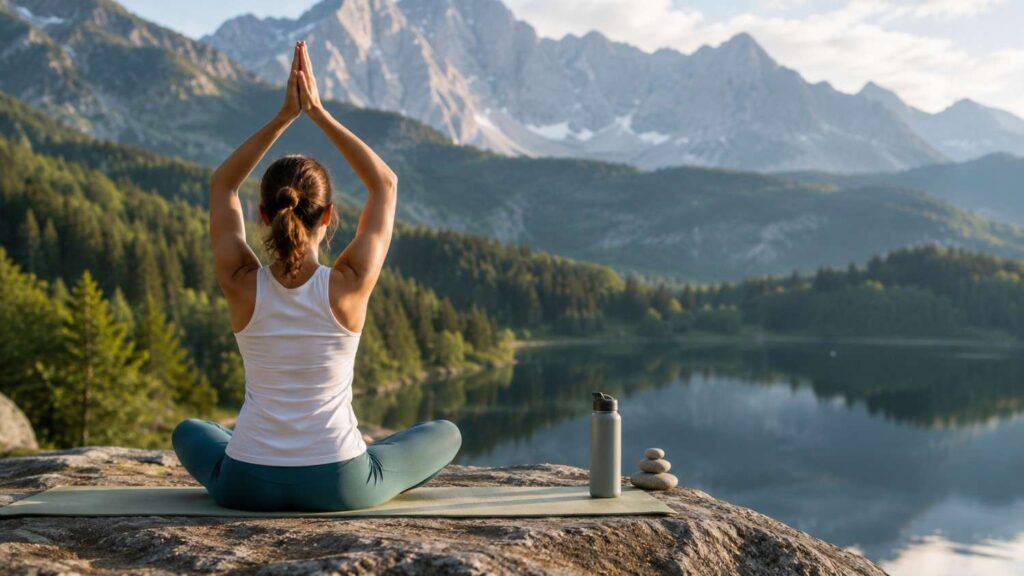
How to Practice Yoga in Nature: A Complete Guide for Beginners
Yoga has always emphasized harmony between the body, mind, and environment. While many people practice indoors, taking your yoga routine outside can create a completely different experience. Fresh air, natural light, birdsong, and open landscapes help reduce stress while making each movement feel more intentional.
In my experience, practicing yoga outdoors helps improve focus because nature naturally encourages mindfulness. Whether you’re visiting a local park, relaxing on a quiet beach, or exploring a forest trail, nature provides an inspiring backdrop for every session.
Unlike indoor studios, outdoor environments constantly remind us to slow down and appreciate the present moment. Feeling the gentle breeze on your skin, hearing leaves rustle in the wind, or watching sunlight filter through trees can make breathing exercises and meditation feel more immersive. These natural elements encourage you to stay connected with your surroundings instead of becoming distracted by technology or everyday responsibilities.
Outdoor yoga also offers flexibility that traditional studio classes cannot always provide. You can choose a peaceful location that suits your mood, practice alone for quiet reflection, or invite friends and family for a shared wellness experience. Many people find that changing locations from time to time keeps their routine exciting and motivates them to practice more consistently.
This guide explains everything you need to know about how to practice yoga in nature, from choosing the perfect location and selecting the right equipment to practicing safely in different weather conditions. Whether you’re completely new to yoga or simply looking to take your existing routine outdoors, you’ll discover practical tips that help you enjoy every session while making the most of nature’s calming influence.
Why Practicing Yoga in Nature Is Beneficial
Nature creates a peaceful atmosphere that complements yoga’s purpose of improving both physical and mental wellness. Unlike indoor environments, outdoor spaces stimulate the senses without overwhelming them, helping you become more present during your practice. Instead of fluorescent lights, enclosed walls, and background noise, you’re surrounded by fresh air, natural sounds, and open scenery that encourages relaxation from the moment you begin.
Scientific research continues to suggest that spending time outdoors can contribute to lower stress levels, improved mood, and better overall mental health. When these benefits are combined with yoga’s focus on controlled breathing, gentle movement, and mindfulness, the overall experience becomes even more rewarding. Many practitioners describe outdoor yoga as feeling less like exercise and more like a natural form of self-care.
Practicing in natural environments also encourages you to slow down and appreciate each movement rather than rushing through a routine. The changing scenery, fresh breeze, and sunlight help create a stronger connection between your body and your surroundings. This deeper awareness often leads to improved concentration and a greater sense of gratitude.
Another advantage is the variety of locations available. Whether you prefer practicing in a quiet park, beside a peaceful lake, on a sandy beach, or under the shade of forest trees, each setting offers unique sensory experiences that make yoga feel fresh and inspiring. Over time, outdoor practice can become something you genuinely look forward to, making it easier to maintain a consistent wellness routine that supports both physical fitness and emotional balance.
Improves Mental Well-Being
One of the greatest reasons people enjoy practicing yoga outdoors is the positive effect it can have on mental well-being. Modern lifestyles often involve long hours indoors, constant screen time, and continuous exposure to stress. Spending even a short period practicing yoga in nature provides an opportunity to disconnect from these pressures and reconnect with yourself.
Numerous studies suggest that spending time in green spaces may help reduce stress, lower anxiety, and improve overall mood. The combination of mindful breathing, gentle stretching, and peaceful surroundings encourages the nervous system to relax, making it easier to let go of mental tension. Even a 20- to 30-minute session can leave you feeling calmer, more refreshed, and better prepared to handle daily responsibilities.
Natural environments also reduce many of the distractions commonly found indoors. Without televisions, phones, or office noise competing for your attention, it becomes easier to focus on your breathing and movements. This heightened awareness strengthens mindfulness, which is one of yoga’s most valuable practices.
Many practitioners also report improved sleep quality, greater emotional resilience, and enhanced concentration after making outdoor yoga part of their routine. Watching the sunrise during morning yoga or ending the day with a gentle sunset session can create powerful moments of reflection that support long-term mental wellness. Over time, practicing regularly in nature helps develop a stronger sense of inner peace that extends well beyond the yoga mat.
Enhances Physical Performance
Outdoor yoga offers physical benefits that go beyond those experienced in many indoor settings. Natural surfaces such as grass, sand, or packed earth are often less predictable than polished studio floors, encouraging your body to engage additional stabilizing muscles while maintaining balance during different poses.
These subtle adjustments strengthen muscles throughout the feet, ankles, legs, and core. As your body adapts to uneven terrain, your coordination, posture, and body awareness gradually improve. This increased engagement helps build functional strength that supports everyday movement and reduces the likelihood of injury during physical activities.
Fresh air can also make exercise feel more enjoyable. Many people notice they feel less confined outdoors, allowing them to move more freely while maintaining steady breathing throughout their practice. When weather conditions are comfortable, practicing outside may even encourage longer yoga sessions because the environment feels refreshing rather than restrictive.
Safe exposure to natural sunlight also supports the body’s production of vitamin D, an important nutrient for maintaining healthy bones, muscles, and immune function. While sunscreen and sun protection remain important during extended outdoor sessions, moderate sunlight can be a valuable addition to a healthy lifestyle.
Practicing outdoors also introduces small environmental variations, such as gentle breezes or slight changes in ground texture, that challenge your coordination in healthy ways. These natural elements keep your muscles engaged, making each session both enjoyable and physically rewarding.
Encourages Mindfulness
Mindfulness lies at the heart of yoga, and few places encourage mindful awareness better than nature. Outdoor environments naturally invite you to slow down, observe your surroundings, and focus on the present moment without forcing relaxation techniques.
Instead of background music or studio sounds, you’re surrounded by birds singing, leaves moving in the wind, flowing water, or distant waves along a shoreline. These gentle natural sounds create a calming atmosphere that supports meditation and controlled breathing. Rather than becoming distractions, they often become part of your practice, helping you stay connected with the present.
Practicing yoga outside also encourages greater sensory awareness. Feeling grass beneath your feet, noticing the warmth of sunlight on your skin, or breathing in the scent of fresh trees creates a richer experience than practicing within four walls. These sensory details help anchor your attention and reduce wandering thoughts.
Mindfulness developed through outdoor yoga often carries into everyday life. Many people become more patient, more aware of their emotions, and better able to manage stressful situations because they regularly practice slowing down and observing their surroundings without judgment.
As your awareness grows, you may also develop a stronger appreciation for the natural world. Respecting the environment, observing seasonal changes, and noticing small details around you become part of the overall yoga experience. This deeper connection supports both emotional well-being and a greater sense of gratitude for the world around you.
Related Articles
Choosing the Best Outdoor Location
Selecting the right environment is one of the most important steps before starting outdoor yoga. The location you choose influences your comfort, safety, concentration, and overall enjoyment. While almost any peaceful outdoor area can work, finding a place that matches your experience level and personal preferences makes practicing much easier.
Look for locations that offer relatively flat ground with enough space to move comfortably in every direction. The surface should provide good stability while remaining free from rocks, sharp objects, or uneven terrain that could increase the risk of injury. If possible, visit the location beforehand to check for noise levels, foot traffic, and available shade.
Weather conditions should also influence your choice. Early mornings and late afternoons generally provide cooler temperatures and softer lighting compared to midday, making outdoor yoga more comfortable during warmer seasons. If practicing in colder climates, choose sheltered areas that reduce exposure to strong winds.
Privacy is another consideration. Some people enjoy practicing in public parks where they feel connected to the community, while others prefer quieter spaces that allow deeper focus without interruptions. There is no single correct choice—the best location is one where you feel safe, relaxed, and able to concentrate on your movements.
Regardless of where you practice, always respect local regulations, avoid disturbing wildlife, and leave the area cleaner than you found it. Caring for nature helps preserve these beautiful spaces for future yoga sessions and other visitors.
| Outdoor Yoga Location | Main Benefits | Best For |
|---|---|---|
| Parks | Easy access, open space, fresh air, comfortable surfaces | Beginners and regular practice |
| Botanical Gardens | Peaceful surroundings, beautiful scenery, reduced distractions | Mindfulness and relaxation |
| Beaches | Ocean sounds, fresh breeze, challenging sandy surfaces | Relaxation and balance improvement |
| Lakesides | Calm atmosphere, meditation, peaceful environment | Breathing exercises and gentle yoga |
| Forest Areas | Shade, natural sounds, deeper connection with nature | Stress reduction and mindfulness |
| Mountain Locations | Scenic views, fresh air, outdoor adventure | Reflection and advanced outdoor experiences |
Parks and Botanical Gardens
Public parks are among the most accessible places for outdoor yoga, especially for beginners. Most parks provide large grassy spaces that offer comfortable surfaces for yoga mats while remaining easy to reach without extensive travel. They also tend to have open areas where fresh air circulates freely, creating a pleasant atmosphere for stretching and breathing exercises.
Botanical gardens provide an even more tranquil setting, surrounded by colorful flowers, carefully maintained landscapes, and peaceful walking paths. The natural beauty encourages relaxation and helps create a calming environment that complements mindful movement. Many people find it easier to concentrate when practicing among trees and gardens rather than in busy urban settings.
Morning visits are often the best choice because temperatures are cooler and there are generally fewer visitors. This quieter environment reduces distractions and allows you to enjoy birdsong, fresh air, and the peaceful atmosphere before daily activity increases.
Before practicing, check whether the park or botanical garden permits yoga or group activities. Some locations have designated wellness areas or require permits for larger gatherings. Choosing a shaded area beneath trees can also improve comfort during sunny days while helping prevent excessive heat exposure.
These locations offer an excellent balance of convenience, beauty, and safety, making them ideal for developing a consistent outdoor yoga routine regardless of your experience level.
Beaches and Lakesides
Practicing yoga beside water creates one of the most calming outdoor experiences available. The gentle sound of waves, fresh breeze, and open horizon naturally encourage slower breathing and deeper relaxation, making beaches and lakesides popular destinations for yoga enthusiasts around the world.
Soft sand provides a unique challenge by requiring your stabilizing muscles to work harder during standing poses and balance exercises. Although balancing may initially feel more difficult, this additional effort helps strengthen the feet, ankles, legs, and core over time. If the sand feels too unstable, practicing on firmer, damp sand closer to the shoreline often provides better support.
Lakesides offer similar benefits while typically providing calmer conditions than ocean beaches. Still water, surrounding trees, and quiet environments make lakes ideal for meditation, breathing exercises, and gentle yoga flows focused on relaxation rather than intense physical activity.
Weather awareness is particularly important near water. Strong winds can make certain poses difficult, while midday sunlight may increase the risk of dehydration or sunburn. Planning sessions during sunrise or sunset usually provides cooler temperatures and breathtaking scenery that enhances the overall experience.
Always remain aware of tides, slippery rocks, changing weather, and water safety. Choosing locations that are clean, stable, and free from hazards ensures that your yoga session remains peaceful, comfortable, and enjoyable from beginning to end.
Forests and Mountain Areas
Forests and mountain settings offer some of the most immersive environments for practicing yoga. Surrounded by trees, fresh air, and natural landscapes, many practitioners experience a deep sense of calm that is difficult to replicate indoors. These locations naturally reduce noise pollution while creating an atmosphere that encourages slower breathing and greater mindfulness.
Trees provide welcome shade during warmer months, making longer yoga sessions more comfortable even when temperatures begin to rise. The cooler air found in many forested areas also helps maintain energy levels throughout your practice. Gentle sounds such as birds singing, leaves rustling, and distant streams further enhance relaxation without requiring additional music or guided meditation.
Mountain viewpoints provide breathtaking scenery that inspires gratitude and reflection. Practicing with panoramic views encourages a sense of openness while reminding you to appreciate the natural world. However, mountain environments often involve uneven terrain, stronger winds, and changing weather conditions, so selecting a safe, level area remains essential.
Always stay on designated trails, inform someone of your location if practicing alone, and remain aware of local wildlife. Carry enough water, wear appropriate footwear when hiking to your destination, and avoid isolated areas where emergency assistance may be difficult to access.
With proper preparation, forests and mountain landscapes offer unforgettable yoga experiences that strengthen both physical health and your connection with nature.
Essential Equipment for Outdoor Yoga
Although outdoor yoga requires very little equipment, bringing the right essentials can make your session significantly safer, more comfortable, and more enjoyable. Unlike indoor studios where most conditions remain consistent, outdoor environments expose you to changing weather, uneven surfaces, sunlight, insects, and temperature fluctuations. Preparing ahead allows you to stay focused on your practice rather than dealing with unnecessary distractions.
The first priority is choosing equipment that supports stability and comfort. A reliable yoga mat provides cushioning and grip, while appropriate clothing allows unrestricted movement in different weather conditions. Accessories such as towels, water bottles, and lightweight backpacks also make transporting your gear much easier, especially if your practice location involves walking or hiking.
Safety should never be overlooked. Simple items like sunscreen, insect repellent, and a small first-aid kit can prevent minor problems from interrupting your session. If you’re exploring remote locations, carrying a fully charged phone ensures you can contact someone if needed.
Packing efficiently also makes outdoor yoga more convenient. Keeping all your essentials together in a dedicated yoga bag helps you stay organized and encourages consistency because you’re always ready to practice when the opportunity arises.
Ultimately, you don’t need expensive equipment to enjoy yoga in nature. Choosing practical, high-quality essentials that suit your environment allows you to focus on movement, breathing, and mindfulness while making every outdoor session comfortable and rewarding.
| Equipment | Purpose | Importance |
|---|---|---|
| Yoga Mat | Provides cushioning and stability on natural surfaces | Essential |
| Water Bottle | Maintains hydration during outdoor sessions | Essential |
| Comfortable Clothing | Allows flexible movement in different weather | Important |
| Sunscreen | Protects skin from UV exposure | Important |
| Insect Repellent | Prevents insect-related distractions | Useful |
| Small Towel | Helps clean sweat and moisture | Useful |
| Lightweight Backpack | Makes carrying essentials easier | Recommended |
| First-Aid Kit | Helps handle minor injuries or emergencies | Recommended |
| Phone | Provides emergency communication | Important |
| Extra Layer/Jacket | Supports changing temperatures | Useful |
Choose the Right Yoga Mat
A quality yoga mat is one of the most important pieces of equipment for practicing outdoors. Unlike indoor studio floors, natural surfaces vary greatly, making stability and comfort essential for maintaining proper alignment during different poses.
A thicker, non-slip yoga mat works particularly well on grass, packed soil, or rocky ground because it provides additional cushioning while helping prevent slipping. Mats with textured surfaces offer improved grip, especially during warm weather when perspiration may affect balance. If you frequently practice on rough terrain, choosing a durable outdoor mat designed for repeated use can significantly increase its lifespan.
When practicing on sand, placing a large towel or blanket underneath your mat helps reduce sinking and creates a firmer foundation for standing poses. Similarly, if the ground is slightly damp after morning dew, an additional towel can help keep your mat dry and comfortable.
Travel-friendly foldable mats are another excellent option for people who enjoy hiking, camping, or exploring different outdoor locations. Their lightweight design makes them easy to carry without adding unnecessary weight to your backpack.
After each session, clean your mat thoroughly to remove dirt, moisture, and debris before storing it. Proper maintenance not only extends the life of your equipment but also ensures better hygiene for future practice. Investing in the right yoga mat creates a more stable, comfortable foundation that supports every outdoor yoga session.
Wear Comfortable Clothing
The clothing you wear can greatly influence how comfortable and enjoyable your outdoor yoga session becomes. Since weather conditions can change throughout the day, selecting appropriate clothing helps maintain comfort while allowing complete freedom of movement.
Lightweight, breathable fabrics are ideal because they allow air to circulate around the body, reducing overheating during warmer temperatures. Moisture-wicking materials also help keep sweat away from the skin, making longer sessions feel much more comfortable while preventing clothing from becoming heavy or restrictive.
Stretchable fabrics support the full range of motion needed for yoga poses without causing discomfort. Whether you’re practicing gentle stretches or more advanced sequences, properly fitted clothing allows you to move confidently without constant adjustments.
Layering is especially useful when practicing outdoors. Early mornings may begin cool before temperatures gradually increase, while evenings often become cooler after sunset. Wearing removable layers such as lightweight jackets or long-sleeved tops makes it easy to adapt throughout your session.
Don’t overlook footwear for traveling to your practice location. Although yoga itself is usually practiced barefoot, supportive walking shoes protect your feet while hiking or walking across uneven terrain before reaching your chosen spot.
Comfortable clothing allows you to stay fully focused on your breathing and movements instead of feeling distracted by heat, cold, or restrictive fabrics, ultimately creating a much more enjoyable outdoor yoga experience.
Pack Safety Essentials
Preparing a small collection of safety essentials ensures that your outdoor yoga practice remains enjoyable, comfortable, and free from unnecessary interruptions. While most sessions go smoothly, being prepared allows you to handle unexpected situations confidently.
A reusable water bottle should always be your first priority. Staying hydrated supports physical performance, especially during warmer weather or longer practice sessions. Drinking water before, during, and after yoga helps maintain energy levels and reduces the risk of dehydration.
Sunscreen protects exposed skin from harmful UV rays, even on cloudy days. Applying it before your session and reapplying when necessary helps prevent sunburn during extended outdoor practice. Insect repellent is equally useful, particularly when practicing near forests, lakes, or grassy areas where mosquitoes and other insects are common.
Other helpful items include a small towel for wiping sweat or cleaning your mat, a hat and sunglasses for additional sun protection, and a lightweight first-aid kit containing basic supplies for minor cuts or scrapes. Keeping a fully charged phone with you also provides peace of mind in case of emergencies or changing weather conditions.
A compact backpack or yoga bag makes organizing these essentials simple and convenient. By packing thoughtfully before leaving home, you can concentrate fully on your breathing, movement, and mindfulness while knowing you’re well prepared for whatever nature may bring.
Preparing for Your Outdoor Yoga Session
A little preparation goes a long way when practicing yoga outdoors. Unlike a studio, nature is constantly changing, so taking a few minutes to prepare beforehand can make your session safer, more comfortable, and far more enjoyable. Planning ahead allows you to focus entirely on your breathing, movement, and mindfulness instead of dealing with unexpected distractions such as poor weather, uncomfortable surfaces, or forgotten essentials.
Preparing for outdoor yoga begins with selecting a suitable location and understanding the environmental conditions. Consider factors such as weather, temperature, ground stability, accessibility, and the amount of sunlight. Arriving a few minutes early also gives you time to become familiar with your surroundings, lay out your mat, and mentally transition from your daily routine into a calm and focused state.
Another important part of preparation is setting realistic expectations. Every outdoor environment is different, and nature cannot be controlled like an indoor yoga studio. You may hear birds singing, leaves rustling, children playing in the distance, or a gentle breeze moving through the trees. Rather than viewing these as distractions, embrace them as part of your practice and use them to strengthen your mindfulness.
Proper preparation also includes bringing enough water, wearing suitable clothing, and ensuring your phone is charged in case of emergencies. If you’re hiking to your yoga location, allow extra time so you can arrive relaxed instead of rushed. The more organized you are before beginning, the easier it becomes to fully immerse yourself in the peaceful experience of practicing yoga in nature.
Check the Weather Before You Leave
Weather plays a major role in determining whether your outdoor yoga session will be relaxing or challenging. While fresh air and sunshine create wonderful practice conditions, sudden rain, strong winds, or extreme temperatures can quickly make a session uncomfortable or even unsafe. Taking a few minutes to review the weather forecast before leaving home is one of the simplest yet most important steps you can take.
Morning hours often provide the most pleasant conditions because temperatures are cooler, winds are lighter, and parks or beaches tend to be less crowded. During summer, avoiding the hottest part of the day helps reduce the risk of overheating and dehydration. In colder seasons, dressing in layers allows you to stay comfortable as temperatures change throughout your practice.
Before heading outdoors, remember to:
- Check the weather forecast for rain or storms.
- Avoid practicing during thunderstorms or high winds.
- Choose cooler hours on hot summer days.
- Bring a lightweight jacket if mornings are chilly.
- Wear sun protection during sunny weather.
- Drink water before and after your session.
- Have an alternative indoor location if conditions change unexpectedly.
Planning around the weather not only improves comfort but also helps prevent interruptions caused by sudden changes in temperature or rainfall. Being flexible with your schedule ensures that every outdoor yoga session remains enjoyable, safe, and focused on your well-being rather than environmental challenges.
Pick the Best Time of Day
Choosing the right time of day can significantly influence the quality of your outdoor yoga practice. Different times offer unique benefits, and selecting one that matches your personal goals and local climate helps create a more enjoyable experience. Factors such as temperature, lighting, noise levels, and your own energy all play a role in determining the ideal practice time.
Early morning is often considered the best time for outdoor yoga. The air feels fresh, temperatures are generally cooler, and public spaces are quieter, allowing you to practice with fewer distractions. Watching the sunrise while moving through gentle yoga poses can create a peaceful and energizing start to the day.
Late afternoon is another excellent option, especially during warmer months. As the sun begins to lower, temperatures become more comfortable, making physical movement easier. This time of day is particularly suitable for those who want to release tension accumulated from work or daily responsibilities.
Sunset sessions provide a calming atmosphere that naturally supports slower stretches, breathing exercises, and meditation. The changing colors of the sky encourage reflection and help create a smooth transition into a restful evening.
Regardless of the time you choose, try to establish a regular schedule. Practicing at similar times each week helps build consistency and makes outdoor yoga a natural part of your healthy lifestyle.
Set an Intention Before You Begin
Outdoor yoga is much more than a physical workout—it is an opportunity to connect with yourself while appreciating the beauty of the natural world. Before beginning your first pose, take a few quiet moments to set an intention for your practice. This simple habit helps create a stronger sense of purpose and encourages mindfulness throughout the entire session.
An intention does not need to be complicated. It can be a single word, a positive affirmation, or a personal goal that reflects what you hope to experience. Some days your intention may focus on relaxation, while other sessions may emphasize gratitude, balance, confidence, or self-care. Giving yourself this mental direction makes your practice feel more meaningful.
Before starting, try the following steps:
- Sit comfortably on your mat.
- Close your eyes gently.
- Take several slow, deep breaths.
- Notice the sounds, scents, and sensations around you.
- Release any tension or distracting thoughts.
- Think about what you hope to gain from today’s practice.
As you move through each posture, return your attention to this intention whenever your mind begins to wander. Nature makes this process easier by providing calming sights and sounds that naturally encourage presence. Over time, beginning each outdoor yoga session with intention can improve focus, deepen self-awareness, and strengthen the connection between your body, mind, and environment.
Best Yoga Poses to Practice in Nature
Nature provides an inspiring environment for yoga because it encourages slow, mindful movement rather than intense physical performance. Outdoor settings invite you to listen to your body, breathe more deeply, and appreciate the present moment while enjoying fresh air and beautiful scenery. Whether you’re practicing in a park, beside a lake, on a beach, or in a forest, choosing suitable poses helps you stay safe while making the most of your surroundings.
Beginners should start with simple postures that emphasize stability, flexibility, and relaxation. Uneven natural surfaces may make certain advanced poses more difficult, so focusing on strong foundational movements is usually the best approach. Gentle stretching allows your muscles to warm up gradually while reducing the risk of injury.
As your confidence grows, you can combine standing poses, seated stretches, breathing exercises, and meditation into a complete outdoor yoga routine. Rather than rushing from one posture to another, allow yourself to move slowly and pay attention to how your body responds to each movement.
The natural environment itself becomes part of the experience. Feel the earth beneath your feet during standing poses, notice the rhythm of your breath with the movement of the wind, and let surrounding sounds support your concentration instead of distracting you. These mindful practices transform a simple yoga session into a deeply restorative experience that benefits both physical health and emotional well-being.
Grounding Standing Poses
Standing poses create a strong foundation for any outdoor yoga practice because they improve posture, balance, and body awareness while helping you feel connected to the ground beneath you. Natural surfaces such as grass or firm sand encourage your stabilizing muscles to work a little harder, making these poses especially beneficial when practiced outdoors.
These postures also promote strength throughout the legs, hips, and core while improving overall alignment. Beginners should move slowly and focus on proper technique rather than trying to hold poses for long periods. Maintaining steady breathing throughout each movement is more important than achieving perfect flexibility.
Excellent standing poses include:
- Mountain Pose (Tadasana)
- Tree Pose (Vrikshasana)
- Warrior I
- Warrior II
- Triangle Pose
- Extended Side Angle Pose
Practicing these poses outside encourages a stronger awareness of your body’s relationship with the environment. Feeling the earth beneath your feet can improve grounding and stability while enhancing your overall sense of balance.
If the ground feels uneven, widen your stance slightly or shorten the duration of each pose until you become more comfortable. With regular practice, standing poses strengthen muscles, improve coordination, and develop the confidence needed to explore more challenging yoga sequences in natural settings.
Relaxing Seated and Floor Poses
After warming up with standing postures, transitioning into seated and floor poses allows your body to slow down while increasing flexibility and promoting relaxation. These gentle movements are ideal for enjoying the peaceful atmosphere of nature because they encourage slower breathing and greater body awareness.
Seated stretches target areas that commonly become tight from sitting at desks or driving, including the hips, lower back, and hamstrings. Performing these poses outdoors also creates an opportunity to pause, observe your surroundings, and appreciate the calming influence of fresh air and natural sounds.
Some excellent seated and floor poses include:
- Child’s Pose
- Butterfly Pose
- Easy Pose
- Seated Forward Fold
- Cat-Cow Stretch
- Supine Twist
- Happy Baby Pose
Move slowly between each posture, allowing your muscles time to relax naturally instead of forcing deeper stretches. Breathing deeply during every movement helps release tension while improving flexibility over time.
These slower poses also prepare the mind for meditation by encouraging stillness and relaxation. Whether you are listening to birds, waves, or gently moving leaves, the peaceful sounds of nature help create an environment where both your body and mind can fully unwind.
Finish with Meditation and Deep Breathing
Every outdoor yoga session should conclude with a period of relaxation, meditation, and controlled breathing. While physical postures strengthen the body, mindful breathing helps calm the nervous system and allows you to absorb the full benefits of your practice before returning to daily activities.
Outdoor environments naturally enhance meditation because they provide soothing sounds and beautiful scenery that encourage present-moment awareness. Instead of trying to block out every sound, allow the breeze, birds, flowing water, or rustling leaves to become part of your meditation experience.
Simple breathing techniques to practice include:
- Box breathing
- Diaphragmatic breathing
- Alternate nostril breathing
- Equal breathing
- Five-minute silent meditation
Sit comfortably with a straight spine, relax your shoulders, and close your eyes if you feel comfortable doing so. Focus on slow, steady breaths while observing your surroundings without judgment.
Ending your practice with meditation allows your heart rate to return to normal, reduces stress, and creates a sense of emotional balance that often lasts long after the session ends. Even five to ten minutes of quiet reflection can help improve mental clarity, strengthen mindfulness, and deepen your appreciation for the natural environment where you’ve practiced.
Outdoor Yoga Safety Checklist
Practicing yoga outdoors is generally very safe when you take a few simple precautions before beginning your session. Unlike indoor studios, natural environments contain changing weather, uneven terrain, wildlife, and other factors that require a little extra awareness. Preparing properly allows you to enjoy the peaceful benefits of outdoor yoga while minimizing unnecessary risks.
Safety begins with choosing an appropriate location. Look for flat, stable ground that is free from rocks, branches, sharp objects, or slippery surfaces. Avoid isolated areas if practicing alone, and always let someone know your general location when exploring unfamiliar places.
Weather should also be monitored carefully. Sudden rain, strong winds, or extreme heat can affect both comfort and safety. Carrying water, sunscreen, insect repellent, and a fully charged phone ensures you’re prepared for common outdoor situations.
Respecting the environment is equally important. Outdoor yoga should leave no lasting impact on natural spaces. Practicing responsibly helps preserve parks, forests, beaches, and gardens so everyone can continue enjoying them.
Finally, remember that listening to your body is one of the best safety practices. If you feel dizzy, fatigued, overheated, or uncomfortable, take a break or end your session early. A safe, enjoyable practice always takes priority over completing a planned routine.
Personal Safety Tips
Your personal safety should always come first whenever practicing yoga outdoors. While most sessions are peaceful and enjoyable, taking a few preventive measures helps you feel confident and prepared regardless of your chosen location.
Before beginning your practice, spend a few moments inspecting the surrounding area. Look for uneven ground, loose rocks, exposed roots, or slippery surfaces that could affect your balance. If something feels unsafe, choose another nearby location rather than risking an injury.
Helpful personal safety practices include:
- Tell someone where you’re going if practicing alone.
- Stay on marked trails and designated public areas.
- Avoid slippery rocks or unstable ground.
- Keep valuables stored securely.
- Carry a fully charged phone.
- Drink plenty of water throughout your session.
- Respect wildlife and maintain a safe distance.
- Stop immediately if weather conditions worsen.
Choosing well-populated parks during daylight hours can also provide additional peace of mind, especially for beginners practicing alone. Trust your instincts at all times—if a location doesn’t feel comfortable or secure, it’s perfectly acceptable to leave and find another place.
Developing good safety habits allows outdoor yoga to remain a relaxing and rewarding experience while reducing unnecessary risks.
Respect Nature While Practicing
One of the greatest joys of outdoor yoga is practicing in beautiful natural environments, but with that privilege comes the responsibility to protect them. Respecting nature ensures these peaceful spaces remain clean, healthy, and accessible for future visitors.
Following the principles of “Leave No Trace” is an excellent approach. Your yoga session should have little or no lasting impact on the surrounding environment. Avoid disturbing plants, wildlife, or natural habitats while enjoying your practice.
Simple ways to respect nature include:
- Take all trash home with you.
- Stay on designated walking paths.
- Avoid picking flowers or damaging vegetation.
- Keep music and conversations quiet.
- Respect other visitors using the area.
- Follow all local park regulations.
- Leave wildlife undisturbed.
- Avoid feeding animals.
Practicing environmental awareness also helps strengthen mindfulness. As you become more connected with the natural world, you naturally develop greater appreciation for its beauty and importance.
Responsible outdoor yoga isn’t only beneficial for your own experience—it also contributes to preserving forests, beaches, gardens, parks, and lakes for future generations to enjoy.
Outdoor Yoga Safety Checklist
| Checklist Item | Why It Matters |
|---|---|
| Check weather forecast | Helps avoid dangerous weather conditions |
| Bring plenty of water | Prevents dehydration during practice |
| Apply sunscreen | Protects skin from harmful UV rays |
| Pack insect repellent | Reduces bites from mosquitoes and insects |
| Choose a flat surface | Improves stability and reduces fall risk |
| Carry a charged phone | Provides emergency communication if needed |
| Tell someone your location | Increases personal safety when alone |
| Wear appropriate clothing | Improves comfort in changing weather |
| Respect wildlife | Prevents unnecessary encounters with animals |
| Pack out all trash | Helps preserve natural environments |
Reviewing this checklist before every outdoor yoga session only takes a minute but can greatly improve both safety and enjoyment. Developing this simple routine helps ensure you’re fully prepared regardless of where you choose to practice. Over time, these habits become second nature, allowing you to focus completely on your breathing, movement, and connection with the outdoors.
Common Mistakes to Avoid
Outdoor yoga offers countless physical and mental benefits, but a few common mistakes can reduce your comfort, affect your performance, or even increase the risk of injury. Fortunately, most of these issues are easy to avoid with a little planning and awareness.
Many beginners become so excited about practicing in nature that they overlook important factors such as weather conditions, hydration, or ground stability. Others attempt advanced poses before adapting to uneven outdoor surfaces, making balancing movements unnecessarily difficult.
Remember that outdoor yoga is not about perfection. The goal is to enjoy the experience while staying connected to your breath and surroundings. Being flexible with your expectations allows you to adapt naturally to changing conditions.
Developing good habits from the beginning helps create a safe and sustainable routine that you’ll enjoy for years. By learning from these common mistakes, you can build greater confidence and make every outdoor yoga session more relaxing, productive, and rewarding.
Ignoring Environmental Conditions
One of the most common mistakes people make is underestimating how much outdoor conditions influence their yoga practice. Wind, bright sunlight, wet grass, loose sand, or uneven ground can all affect balance and comfort.
Always inspect your surroundings before setting up your mat. Look for stable, level ground and consider whether weather conditions are likely to change during your session.
Taking just a few minutes to evaluate your environment can prevent unnecessary interruptions and help you practice more comfortably.
Attempting Difficult Poses Too Soon
Outdoor environments naturally introduce additional balance challenges, making advanced yoga poses more demanding than they may feel indoors.
Rather than attempting inversions or complex balancing postures immediately, begin with simple foundational poses that emphasize stability, proper alignment, and controlled breathing. Building strength gradually allows your body to adapt safely to natural surfaces.
As your confidence and balance improve, you can slowly introduce more challenging movements without increasing your risk of injury.
Forgetting to Stay Hydrated
Hydration is often overlooked, especially during cooler weather when you may not feel particularly thirsty. However, your body still loses fluids through breathing and physical activity.
Carry enough drinking water for your session and drink small amounts before, during, and after practice. If you’re hiking to your location or practicing in warm temperatures, increase your water intake accordingly.
Maintaining proper hydration supports muscle function, improves energy levels, reduces fatigue, and helps you remain comfortable throughout your outdoor yoga practice.
Building a Consistent Outdoor Yoga Routine
Like any healthy habit, consistency produces the greatest long-term benefits. You don’t need to practice for hours every day to experience improvements in flexibility, strength, or mental well-being. Even shorter, regular sessions performed several times each week can have a meaningful impact on your overall health.
Creating a sustainable routine begins with setting realistic goals. Choose a schedule that fits comfortably into your lifestyle rather than aiming for perfection. Some people enjoy practicing before work, while others prefer relaxing evening sessions after a busy day. The best routine is the one you can maintain consistently.
Keeping your yoga equipment packed and ready also removes barriers that might prevent you from practicing. Having a favorite outdoor location nearby makes it easier to stay motivated and encourages regular visits.
Most importantly, allow yourself to enjoy the journey. Every outdoor session offers a unique experience because weather, seasons, and natural surroundings continually change. This variety keeps your routine interesting while strengthening your connection with both yoga and the natural world.
Start with Short Sessions
If you’re new to outdoor yoga, there’s no need to begin with lengthy practices. Starting with manageable sessions helps build confidence while allowing your body to gradually adapt to natural surfaces and outdoor conditions.
Aim for sessions lasting about 20 to 30 minutes. This provides enough time for gentle stretching, standing poses, breathing exercises, and a short meditation without becoming physically overwhelming.
As your comfort and endurance improve, you can gradually increase the duration of your practice while maintaining proper technique and mindful breathing.
Remember that consistency always matters more than session length. Practicing regularly, even for shorter periods, produces greater long-term benefits than occasional extended workouts.
Explore Different Natural Locations
Practicing in different outdoor environments keeps your yoga routine exciting while exposing you to a variety of natural settings. Each location offers unique sights, sounds, and sensations that enrich your overall experience.
Consider rotating between:
- Local parks
- Botanical gardens
- Beaches
- Forest trails
- Quiet lakes
- Community gardens
- Riverside walking paths
Exploring new places prevents your routine from becoming repetitive while helping you appreciate the diversity of nature. Different environments also challenge your balance and awareness in subtle ways, contributing to continued physical and mental growth.
Combine Yoga with Other Wellness Habits
Outdoor yoga becomes even more beneficial when combined with other healthy lifestyle practices. Rather than viewing yoga as an isolated activity, think of it as one part of a balanced wellness routine that supports both body and mind.
Excellent habits to combine with outdoor yoga include:
- Walking
- Hiking
- Mindfulness meditation
- Journaling
- Healthy nutrition
- Quality sleep
- Regular hydration
Together, these habits complement one another by improving physical fitness, reducing stress, supporting recovery, and encouraging emotional well-being. Over time, this balanced approach creates a healthier lifestyle that extends far beyond your yoga mat, helping you feel stronger, calmer, and more connected with both yourself and the natural world.
Quick Answer About How to Practice Yoga in Nature
Practicing yoga in nature involves choosing a safe and peaceful outdoor location, bringing the right equipment, wearing comfortable clothing, and focusing on mindful breathing while connecting with your surroundings. Parks, beaches, forests, botanical gardens, and lakesides provide calm environments that can deepen relaxation, improve concentration, and make each yoga session feel more refreshing. Begin with simple poses if you are new to outdoor yoga, pay attention to weather conditions, stay hydrated, and respect local wildlife and the environment. Outdoor yoga not only strengthens the body and improves flexibility but also supports mental well-being by combining physical movement with the restorative effects of fresh air, natural scenery, and mindful awareness. Whether you practice at sunrise in a quiet park or unwind beside a peaceful lake after a busy day, spending time outdoors can transform a regular yoga session into a more meaningful experience that nurtures both body and mind.
Frequently Asked Questions
Frequently Asked Questions (FAQs) are an important part of any fitness guide because they provide quick, clear answers to the most common doubts people have. Instead of going through long explanations, readers can use FAQs to understand key concepts in a simple and direct way.
In fitness, people often struggle with similar concerns such as workout routines, diet plans, progress timelines, and motivation. FAQs help simplify these topics and make it easier to apply practical steps in real life.
They also serve as a quick summary of the most important points covered in a guide. By reviewing FAQs, readers can reinforce their understanding and make better decisions about their fitness journey.
Is it Good to Practice Yoga Outside?
Yes, practicing yoga outside can provide numerous physical, mental, and emotional benefits that complement a traditional indoor practice. Being surrounded by nature creates a peaceful atmosphere that helps reduce stress, improve concentration, and encourage mindfulness. Fresh air, natural sunlight, and calming sounds such as birds singing or leaves rustling often make it easier to relax and stay present throughout your session.
Outdoor yoga also introduces natural variations in the environment, such as gentle breezes or slightly uneven ground, which encourage your stabilizing muscles to work harder. This can improve balance, coordination, and overall body awareness over time. Additionally, practicing in green spaces has been associated with improved mood and reduced feelings of anxiety, making outdoor yoga an excellent way to support both physical and mental well-being.
Another advantage is the opportunity to disconnect from technology and everyday distractions. Instead of focusing on screens or busy schedules, you become more aware of your breathing, posture, and surroundings. Whether you practice in a quiet park, beside a peaceful lake, or on a sandy beach, nature provides a refreshing backdrop that can make every yoga session feel more enjoyable and meaningful.
If weather conditions are favorable and you choose a safe location, outdoor yoga can become a rewarding habit that strengthens your connection with both yourself and the natural environment.
What Is the Best Time to Practice Yoga in Nature?
The best time to practice yoga in nature depends on your schedule, local climate, and personal preferences, but early morning is generally considered the ideal choice. Morning sessions typically offer cooler temperatures, cleaner air, softer natural lighting, and quieter surroundings before parks and outdoor spaces become busy. Beginning your day with yoga outdoors can help improve focus, boost energy, and create a calm mindset that lasts throughout the day.
Sunrise is especially popular because the peaceful atmosphere naturally supports breathing exercises, meditation, and gentle stretching. The fresh morning air often makes physical movement feel more comfortable while allowing you to fully appreciate the beauty of nature waking up around you.
Late afternoon is another excellent option, particularly during warmer seasons. As temperatures begin to drop, practicing becomes more comfortable without the intense heat of midday. Evening sessions are ideal for releasing physical tension and reducing stress accumulated throughout the day.
Sunset yoga offers a particularly relaxing experience. Watching the changing colors of the sky while moving through slow stretches and breathing exercises encourages reflection and helps prepare both body and mind for restful sleep.
Whenever you choose to practice, avoid extreme heat, severe weather, or poor lighting. Selecting a consistent time that fits naturally into your routine is often more important than choosing the “perfect” hour.
Can Beginners Practice Yoga in Nature?
Absolutely. Outdoor yoga is suitable for beginners as long as they approach their practice gradually and choose a safe, comfortable environment. In fact, many people find that practicing in nature feels less intimidating than attending a crowded yoga studio because they can move at their own pace while enjoying peaceful surroundings.
Beginners should start by selecting a flat, stable location such as a grassy park, botanical garden, or quiet lakeside. A level surface provides better balance and allows you to focus on learning proper alignment without worrying about unstable footing. Bringing a supportive, non-slip yoga mat also improves comfort and confidence.
Simple foundational poses are the best place to begin. Excellent beginner-friendly options include:
- Mountain Pose (Tadasana)
- Child’s Pose
- Cat-Cow Stretch
- Tree Pose
- Butterfly Pose
- Easy Pose
- Seated Forward Fold
Rather than trying advanced poses immediately, focus on breathing slowly, maintaining good posture, and moving mindfully. Taking regular breaks and listening to your body helps prevent discomfort while allowing you to build strength and flexibility safely.
With consistent practice, beginners often develop greater confidence, improved balance, and increased body awareness. Outdoor yoga provides a calm and supportive environment where learning feels natural, enjoyable, and free from unnecessary pressure.
What Should I Bring for an Outdoor Yoga Session?
Packing a few essential items before leaving home helps ensure that your outdoor yoga session remains comfortable, safe, and enjoyable. While yoga itself requires very little equipment, practicing outside means preparing for changing weather conditions, uneven terrain, and extended time outdoors.
A quality non-slip yoga mat should always be your first priority because it provides cushioning and stability on natural surfaces such as grass or packed soil. Bringing enough water is equally important to stay hydrated before, during, and after your practice, especially during warmer weather.
Some useful items to pack include:
- Non-slip yoga mat
- Reusable water bottle
- Sunscreen
- Insect repellent
- Small towel
- Comfortable, breathable clothing
- Hat for sun protection
- Sunglasses if needed
- Lightweight jacket for cooler mornings or evenings
- Small first-aid kit
- Fully charged phone for emergencies
If you’re walking or hiking to your practice location, a lightweight backpack makes carrying your equipment much easier. Depending on the location, you may also want to bring a blanket or large towel to place underneath your yoga mat for additional comfort.
Keeping your equipment simple and organized allows you to focus entirely on your breathing, movement, and connection with nature instead of worrying about forgotten essentials.
Is Outdoor Yoga Safe?
Yes, outdoor yoga is generally very safe when you take a few sensible precautions before beginning your session. Like any outdoor activity, safety depends largely on choosing an appropriate location, preparing for weather conditions, and remaining aware of your surroundings.
Start by selecting a flat, stable area that is free from rocks, slippery surfaces, or hidden hazards. Public parks, botanical gardens, and designated recreation areas are often ideal choices because they are well maintained and easily accessible. Avoid isolated locations if you plan to practice alone, and let someone know where you will be if you’re visiting a more remote area.
Before leaving home, check the weather forecast to avoid heavy rain, thunderstorms, or excessive heat. Carrying enough drinking water, sunscreen, and insect repellent helps you stay comfortable throughout your practice.
Additional safety tips include:
- Practice during daylight hours.
- Stay hydrated.
- Wear weather-appropriate clothing.
- Respect wildlife and keep a safe distance.
- Keep valuables secure.
- Stop immediately if you feel dizzy or unwell.
Listening to your body is one of the most important safety habits. If conditions become uncomfortable or unsafe, simply shorten your session or relocate to a better area. With proper preparation, outdoor yoga can be a relaxing and secure way to support your overall health.
Which Yoga Style Works Best Outdoors?
Several yoga styles are particularly well suited to outdoor environments because they emphasize mindful movement, controlled breathing, and relaxation rather than fast-paced physical intensity. Choosing a style that matches your experience level and personal goals helps you enjoy the natural surroundings while practicing safely.
Hatha Yoga is one of the best choices for beginners because it focuses on basic poses performed slowly with careful attention to breathing and alignment. The gentle pace makes it easier to appreciate your surroundings while learning proper technique.
Yin Yoga is another excellent option, encouraging long-held stretches that improve flexibility while promoting deep relaxation. Quiet natural settings enhance the meditative qualities of this practice, making it ideal for parks, forests, and lakesides.
Restorative Yoga uses supportive poses that encourage complete relaxation and stress relief. It works particularly well in peaceful outdoor environments where natural sounds create a calming atmosphere.
Beginner-friendly Vinyasa flows can also be practiced outdoors as long as movements remain controlled and suitable for the terrain. If practicing on grass or sand, slowing your transitions slightly helps maintain balance and stability.
Ultimately, the best yoga style is one that allows you to move comfortably, breathe deeply, and enjoy your connection with nature without feeling rushed or overwhelmed.
Can I Meditate After Outdoor Yoga?
Definitely. Meditation is one of the best ways to complete an outdoor yoga session because it allows both the body and mind to fully absorb the benefits of your practice. After stretching, strengthening, and focusing on mindful breathing, spending a few quiet minutes in meditation helps deepen relaxation and encourages lasting mental clarity.
Natural environments create ideal conditions for meditation. Instead of trying to eliminate every sound, allow the gentle breeze, birds singing, flowing water, or rustling leaves to become part of your meditation experience. These soothing sounds often make it easier to remain present and focused without forcing concentration.
A simple meditation routine may include:
- Sitting comfortably with a straight spine.
- Closing your eyes or softly lowering your gaze.
- Taking slow, deep breaths.
- Observing thoughts without judgment.
- Focusing on natural sounds around you.
- Remaining still for five to ten minutes.
If you’re new to meditation, begin with shorter sessions and gradually increase the duration as you become more comfortable. Combining yoga and meditation outdoors strengthens the mind-body connection while reducing stress and improving emotional balance.
Ending your practice with quiet reflection also creates a peaceful transition back into your daily routine, helping you carry the calmness of nature with you long after your yoga session has ended.
Conclusion
Learning how to practice yoga in nature is about much more than simply moving your yoga mat outdoors. It is an opportunity to strengthen the connection between your body, mind, and the natural world while creating a wellness routine that feels refreshing, balanced, and sustainable. The combination of mindful movement, fresh air, natural scenery, and peaceful surroundings offers benefits that extend beyond physical fitness, supporting emotional well-being, mental clarity, and overall quality of life.
Whether you choose a quiet park, a tranquil beach, a botanical garden, a shaded forest trail, or a peaceful lakeside, each outdoor setting provides its own unique atmosphere that encourages relaxation and mindfulness. By selecting a safe location, checking the weather, bringing the right equipment, and practicing beginner-friendly poses, you can enjoy outdoor yoga with confidence regardless of your experience level.
Remember that consistency matters more than perfection. Even practicing for 20 to 30 minutes a few times each week can improve flexibility, balance, strength, and stress management over time. Finishing each session with deep breathing or meditation further enhances the calming effects of nature and helps you carry a sense of peace into your everyday life.
As you continue exploring different outdoor locations and developing a regular routine, you’ll likely discover that nature becomes more than just the setting for your practice—it becomes an essential partner in your journey toward better physical health, greater mindfulness, and lasting inner balance.
